Dota 2: The Esports Phenomenon Redefining Competitive Gaming
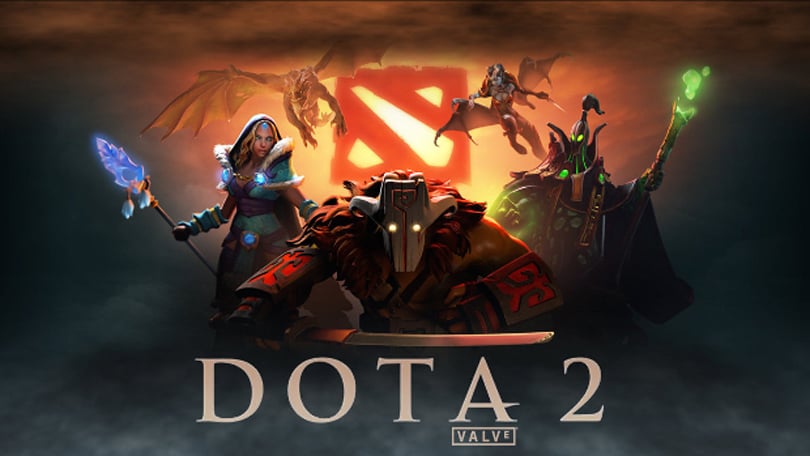
Few games have shaped the esports industry quite like Dota 2. Since its release by Valve in 2013, this multiplayer online battle arena (MOBA) has become not only a test of skill and strategy but also a cultural force that has brought millions of players together across the globe. In the Philippines, where esports is rapidly rising, Dota 2 is more than a game—it’s a community, a career path, and even a source of national pride.

What Makes Dota 2 Unique?
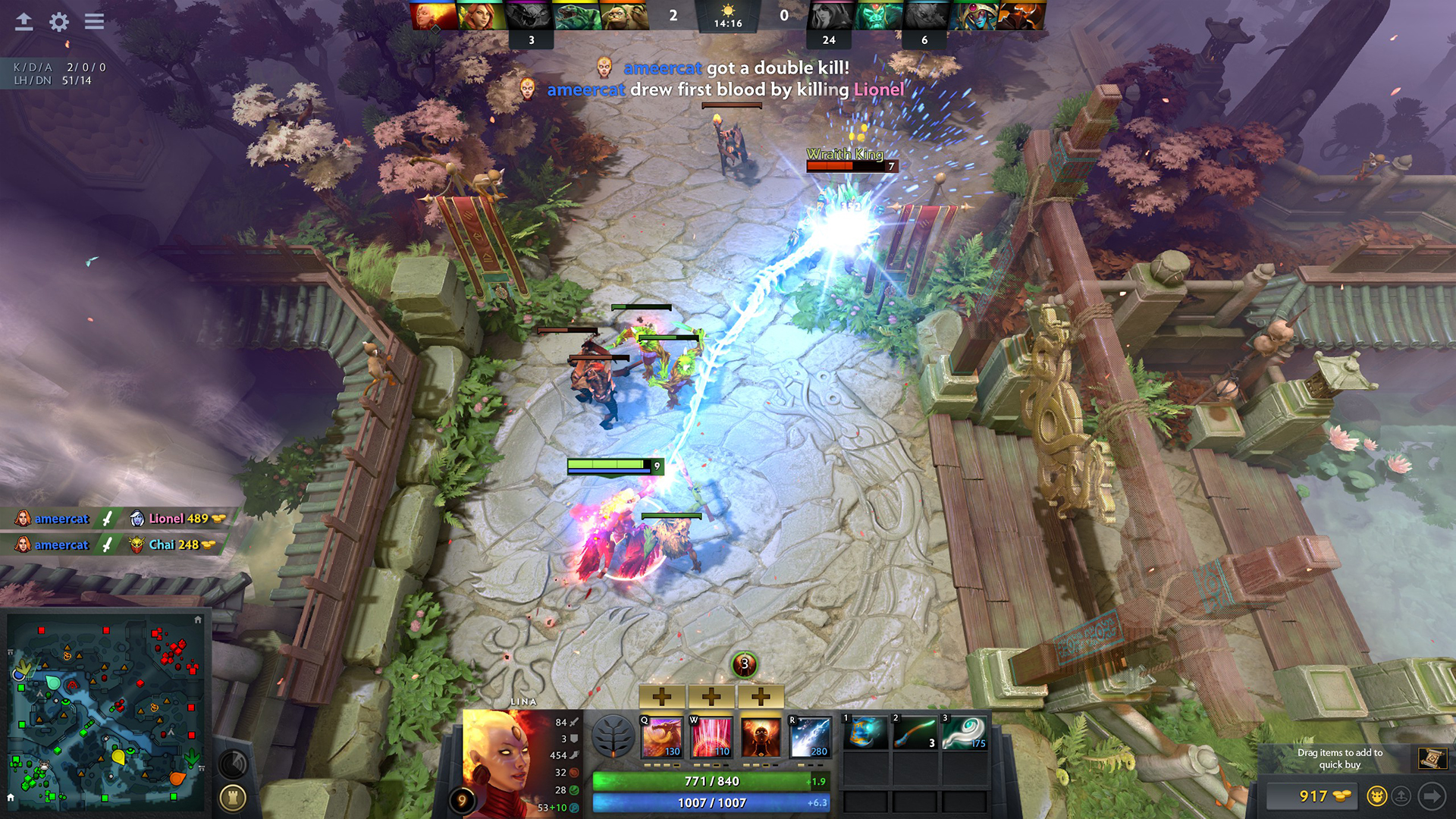
Dota 2 is renowned for its complexity, balance, and depth. With over 120 heroes, hundreds of abilities, and constantly evolving strategies, every match feels fresh. Unlike many competitive games, victory in Dota 2 cannot be bought—only earned through skill, teamwork, and decision-making.
Key Features of Dota 2
- Free-to-Play: All heroes are accessible without cost.
- Dynamic Meta: Regular patches ensure new strategies emerge.
- Global Competition: Esports tournaments like The International attract players worldwide.
- High Stakes: Multi-million dollar prize pools make it one of the most lucrative esports titles.
The Rise of Dota 2 Esports
Dota 2 esports is not just competitive gaming—it’s a global entertainment spectacle. According to Forbes, The International 2023 drew millions of viewers worldwide, showcasing how the game remains a giant in the esports arena.
The International
Launched in 2011, The International (TI) quickly became the benchmark of esports tournaments. With record-breaking prize pools funded by the community through in-game purchases, TI has consistently raised the bar for what competitive gaming can achieve.
| Year | Prize Pool | Winning Team |
|---|---|---|
| 2019 | $34.3 Million | OG |
| 2021 | $40.0 Million | Team Spirit |
| 2023 | $3.1 Million | Team Spirit |
“Dota 2 represents the pinnacle of esports, blending strategy, skill, and spectacle unlike any other title.”
— Rod Breslau, esports journalist
Dota 2 in the Philippines
In the Philippines, Dota 2 is more than just entertainment—it’s a lifestyle. Local cybercafes have long been the breeding ground for Filipino talent, producing players who have competed on the world stage. Teams such as TNC Predator have brought pride to the nation by defeating some of the world’s strongest rosters.
Why Filipinos Love Dota 2
- Accessibility: Free-to-play and playable in most gaming cafes.
- Community Spirit: Tournaments from barangay leagues to national stages unite players.
- Career Opportunities: Rising stars can now pursue professional esports careers.
According to Esports Insider, Southeast Asia remains one of the most vibrant Dota 2 regions, and Filipino players continue to be at the heart of this growth.
Challenges and Opportunities
Despite its success, Dota 2 faces challenges: new players often struggle with its steep learning curve, and competition from other titles like League of Legends is fierce. However, its opportunities remain massive—streaming platforms, sponsorships, and local esports organizations continue to fuel its growth.
Future of Dota 2
Valve’s continued support and the unwavering passion of its player base suggest that Dota 2 will remain a cornerstone of competitive gaming. As the industry evolves, expect innovations in esports broadcasting, community engagement, and grassroots tournaments.
“The beauty of Dota 2 lies in its endless possibilities. No two games are ever the same.”
— Kuro “KuroKy” Salehi, professional player
Conclusion: Why Dota 2 Still Matters
Dota 2 isn’t just a game—it’s a global esports legacy that continues to inspire, entertain, and unite millions of fans. Whether you’re a casual player, a die-hard fan, or an aspiring professional, Dota 2 offers a unique blend of strategy, creativity, and community unlike any other game.
Ready to experience the world of esports for yourself? Explore more about the gaming scene and entertainment at Jiliko, one of the Philippines’ most trusted platforms for players seeking excitement and rewards.