Fishing God: Ancient Legends and Modern Inspiration
Across cultures and centuries, the figure of the Fishing God has represented prosperity, sustenance, and divine favor from the seas. In today’s world, where mythology and modern entertainment often intertwine, exploring the story of the Fishing God offers both timeless wisdom and fresh inspiration. This article takes you on a journey through myth, symbolism, and relevance in our lives today.
The Mythological Origins of the Fishing God
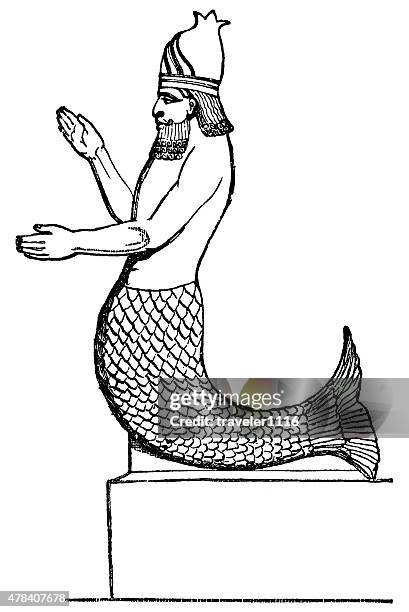
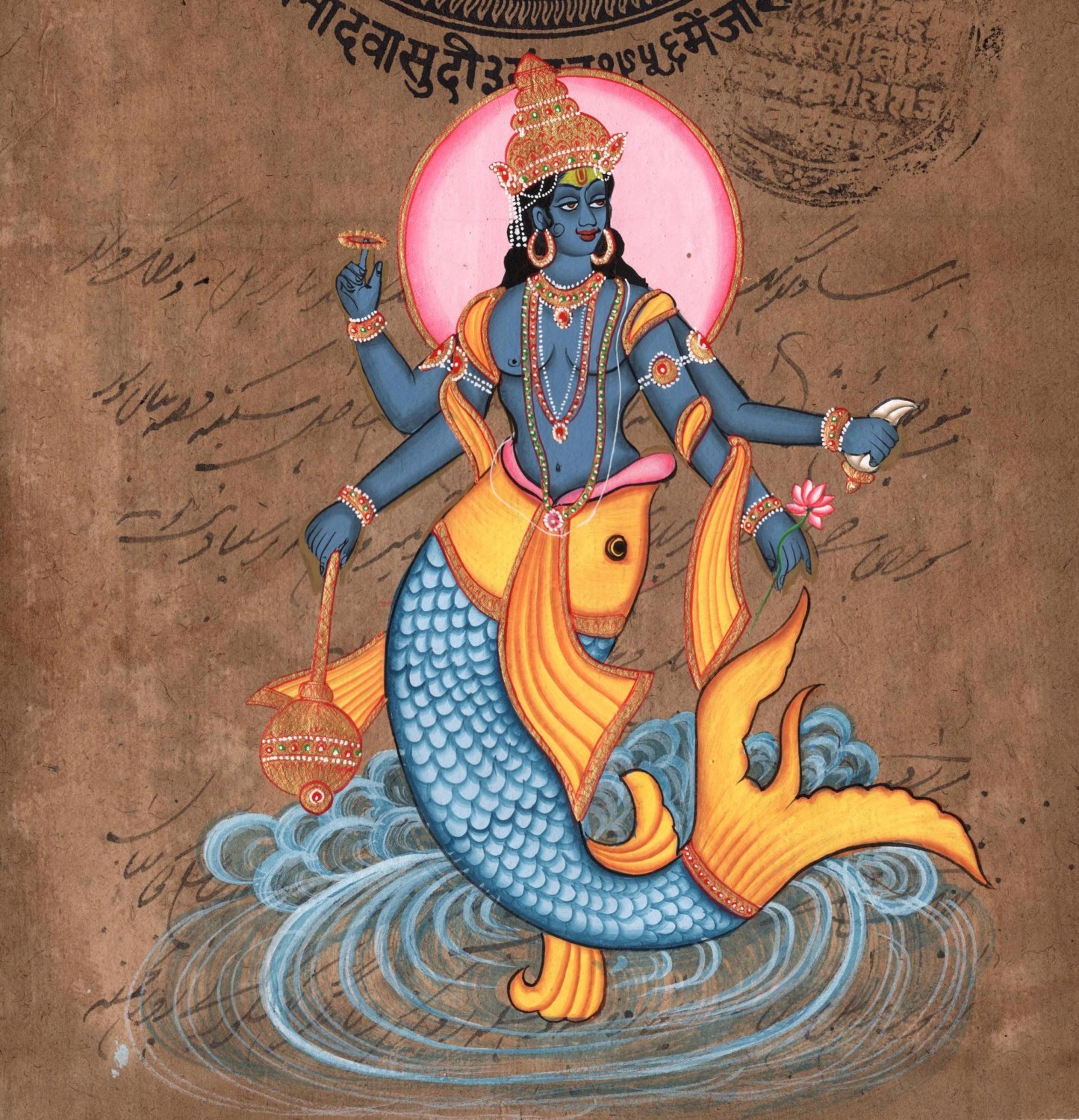
Fishing gods appear in various cultures, often embodying abundance and the mysterious power of the oceans. Among the most recognized is Dagon, revered in ancient Mesopotamia as a deity of grain and fishing. In Japan, Ebisu is celebrated as one of the Seven Lucky Gods, often depicted holding a rod and a large red sea bream, symbolizing wealth and good fortune.
Dagon: The Babylonian and Assyrian Fish God
Dagon was worshipped as a god of fertility and agriculture, but over time his association with the sea grew stronger. Archaeological evidence suggests that ancient peoples turned to Dagon for bountiful harvests—both from the land and the waters.
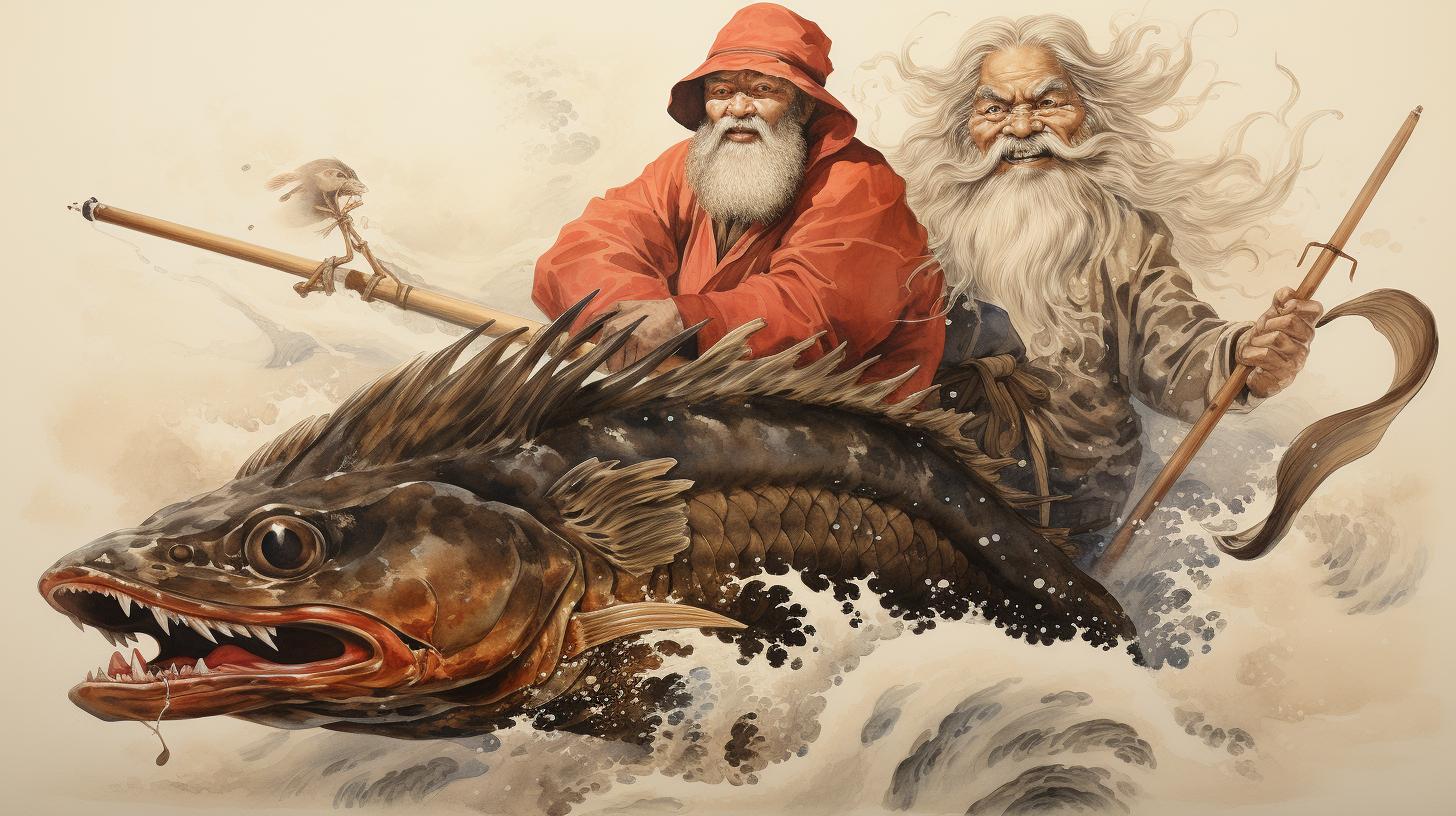
Ebisu: The Japanese God of Fishing and Fortune
Unlike other deities, Ebisu is considered approachable and joyful, often celebrated during festivals. Families and fishermen in Japan pray to Ebisu for success, reflecting a cultural respect for both labor and luck.
Symbolism of the Fishing God
The Fishing God is more than just a mythological figure. He represents mankind’s reliance on water as a source of food, livelihood, and survival. In many stories, fishing gods symbolize:
- Abundance: A promise of nourishment and prosperity.
- Wisdom: Patience and skill in navigating life’s uncertainties.
- Luck: Divine blessings guiding human efforts.
Fishing God in Modern Culture
Today, the Fishing God continues to influence art, literature, and even gaming. From collectible figurines to online entertainment, the myths find new life in digital platforms. For example, popular online gaming brands like Jiliko integrate cultural motifs such as the Fishing God to create immersive experiences for players.
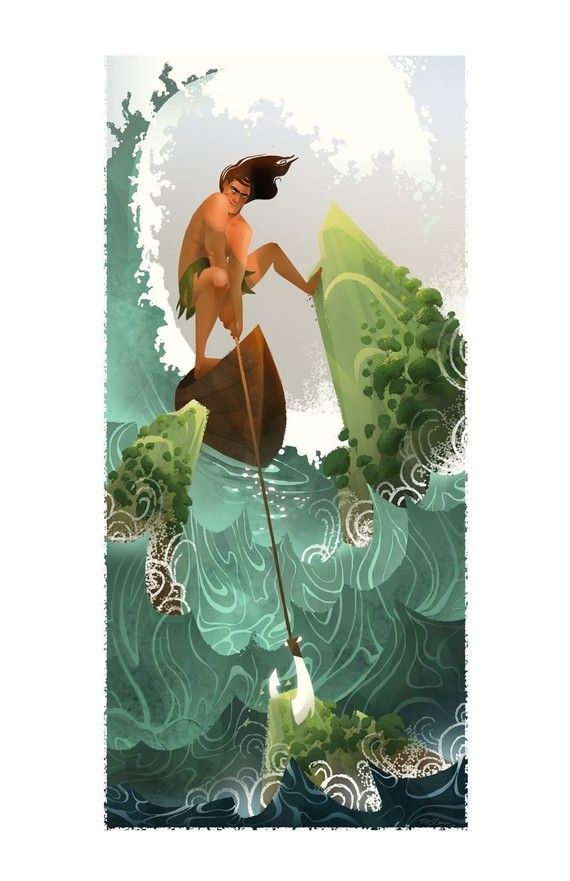
Case Study: Fishing-Themed Games
Fishing-inspired games often borrow directly from these legends. They combine cultural storytelling with engaging gameplay mechanics, offering both entertainment and a sense of connection to mythological heritage.
| Culture | Fishing God | Symbolism |
|---|---|---|
| Mesopotamian | Dagon | Harvest, sea power, fertility |
| Japanese | Ebisu | Fortune, good catch, happiness |
| Global (Modern) | Fishing Game Icons | Luck, entertainment, abundance |
Expert Insights on Myth and Modern Life
“Mythology is not just about the past—it’s a mirror of our present values and hopes.”
— Dr. Hiroshi Tanaka, Cultural Historian
“The Fishing God represents patience and abundance—virtues as relevant to entrepreneurs as they are to fishermen.”
— Maria Santos, Filipino Writer
Why the Fishing God Matters Today
In the Philippines, a country surrounded by seas and blessed with fishing traditions, the Fishing God resonates deeply. It reminds us of the enduring bond between humanity and the ocean. From traditional livelihoods to modern entertainment platforms like Jiliko, the myth continues to inspire.
Conclusion: Embracing the Spirit of the Fishing God
The Fishing God is more than a cultural relic; he embodies values of perseverance, prosperity, and harmony with nature. In modern times, his story inspires innovation, entertainment, and even business growth. Just as fishermen cast their nets with faith, we too can approach life with courage, patience, and hope for abundance.
To explore more about myths reborn in modern experiences, visit Jiliko, a reputable brand that brings culture, entertainment, and community together.